Maintaining frozen production continuity during factory expansion
by Rasmus Nørgaard
Temporary temperature-controlled capacity for a premium pet food manufacturer
As part of its growth strategy, a leading international manufacturer of premium frozen pet food began constructing a new production facility in Poland, including a permanent cold storage installation for raw materials and finished products.
However, market demand accelerated faster than expected. Orders began arriving before the new factory and its dedicated cold store were fully operational. To avoid delaying production and order fulfilment, the company launched a temporary production line, but faced a critical gap: there was no temperature-controlled storage capacity available on site.
The Challenge
The situation created immediate operational pressure.
The manufacturer needed to:
- Maintain strict frozen (-18°C) and chilled (+4°C) storage conditions
- Begin production before the permanent cold store was completed
- Avoid outsourcing storage to external cold warehouses
- Prevent production delays, lost sales, and reputational risk
Without on-site storage, the company would have been forced either to delay production or rely on external facilities, introducing additional transport complexity, cost, and operational risk during a sensitive expansion phase.
The priority was clear: create reliable, compliant temperature-controlled capacity quickly without disrupting construction activities or future infrastructure plans.
The Solution
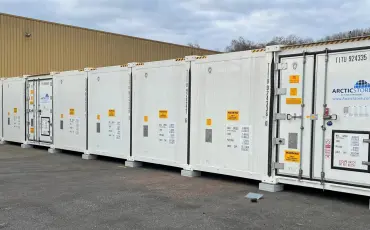
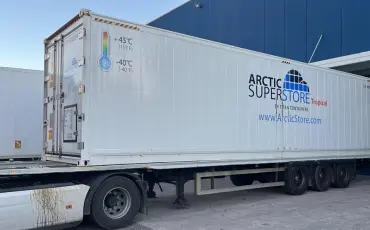
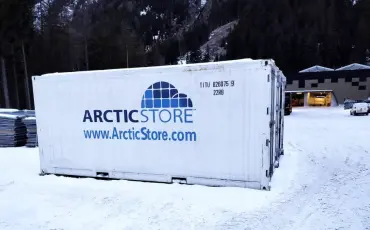
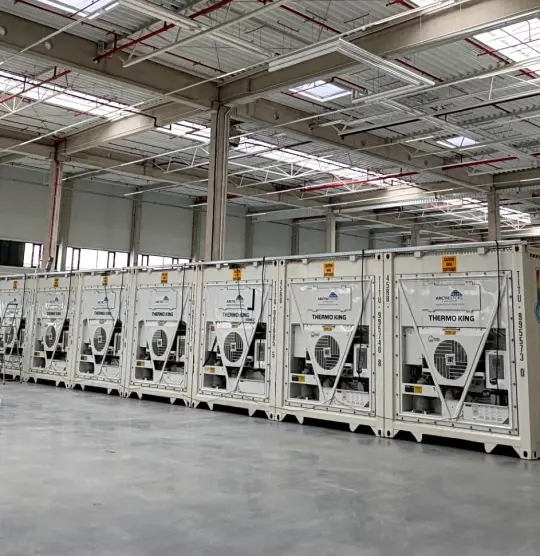
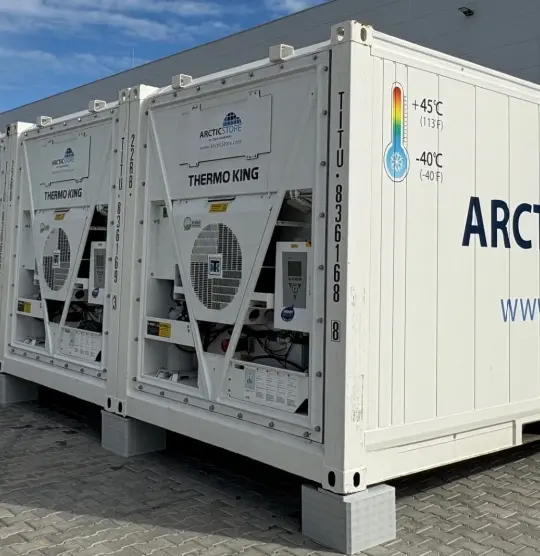
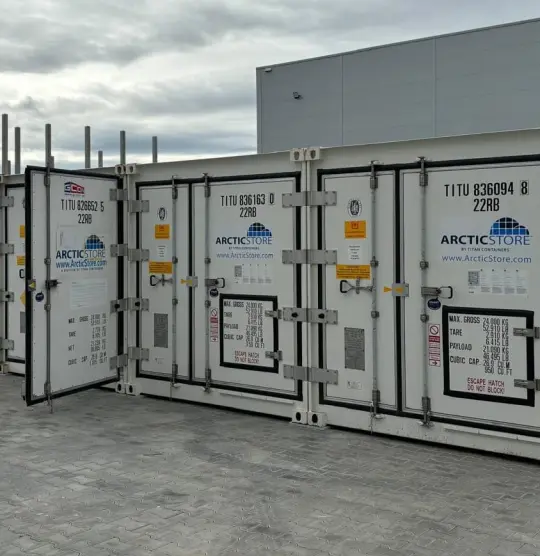
To bridge the gap, TITAN delivered and installed 25 ArcticStore refrigerated containers, providing both frozen and chilled storage capacity.
The configuration included:
- 15 units installed inside the production hall
- 10 units positioned outside the facility
The mixed installation required careful coordination with ongoing construction and site layout constraints, including ground levelling and adaptation to available space.
The container-based setup allowed the manufacturer to establish temporary cold storage without permanent structural modifications, aligning capacity precisely with the construction timeline of the new facility.
The Result
With temperature-controlled capacity in place, the company was able to:
- Start production earlier than planned
- Safely store both raw materials and finished frozen products
- Fulfil incoming orders without interruption
- Maintain product quality and compliance standards
The solution enabled approximately four months of uninterrupted operations before the permanent cold storage facility became fully operational.
By avoiding external cold storage and associated logistics complexity, the manufacturer reduced operational and commercial risk during a critical growth phase.
Flexible Infrastructure for Industrial Expansion
This case illustrates how temporary temperature-controlled infrastructure can support industrial production during periods of rapid growth and construction.
For manufacturers expanding capacity, container-based cold storage provides a practical bridge solution ensuring operational continuity while permanent facilities are completed.