
Pharmaceutical cold storage: best practices for safe and compliant handling
Discover best practices for pharmaceutical cold storage, including compliance, monitoring and temperature control for sensitive medicines.
Discover best practices for pharmaceutical cold storage, including compliance, monitoring and temperature control for sensitive medicines.
Effective pharmaceutical cold storage is critical to maintaining the safety, efficacy and regulatory compliance of temperature-sensitive medicines.
From routine vaccines to advanced biologics, even minor temperature deviations can compromise product integrity and invalidate batches.
This guide outlines best practices for pharma cold storage, including temperature requirements, compliance standards, monitoring systems and contingency planning.
Why you can trust us: TITAN Containers is a leading global provider of storage solutions across the pharmaceutical cold chain. Clients include plasma therapy pioneers Kedrion Biopharma, small-molecule API specialists Euroapi and US packaging giants Sonoco, whose thermal packaging keeps pharma goods at the right temperature during transit.
Pharmaceutical cold storage refers to the controlled storage of medicines, vaccines and other related products within validated temperature ranges to maintain stability throughout their shelf life.
It forms a core component of the wider pharmaceutical cold chain, which covers storage, handling and transport. Not every pharmaceutical product needs to be kept cold, but even those that don’t often have strict temperature limits.
Cold storage for pharmaceuticals includes:
The objective is to maintain regulated, well-defined environmental conditions – and to provide validated systems/documentation that demonstrate products are stored safely.
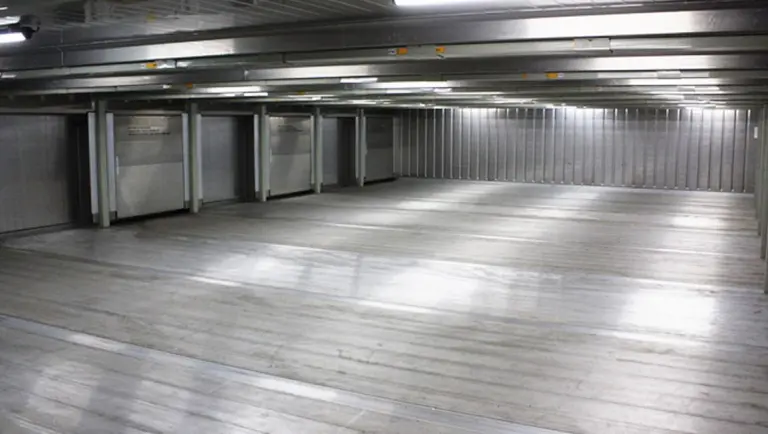
Medicinal products are sensitive to heat, freezing, humidity and light. When companies have invested millions or even more in production, it is essential that temperature-sensitive products are properly preserved throughout their lifecycle.
Exposure to temperatures outside approved ranges can:
The financial and reputational impact of failure is significant, costing tens of billions every year. For further insight, see our post on the true cost of cold storage failures.
Maintaining compliant pharmaceutical storage is not simply desirable; it is a regulatory requirement.
Pharmaceutical products are stored within clearly defined temperature bands.
| Temperature Range | Storage Type | Why It Matters | Typical Products |
|---|---|---|---|
| 2-8°C | Refrigerated storage | Maintains stability of temperature-sensitive medicines | Vaccines, insulin, certain biologics |
| 15-25°C | Controlled room temperature | Protects products from excessive heat or cold | Tablets, capsules, some medical devices |
| -20°C | Frozen storage | Prevents degradation of certain formulations | Some plasma products, specific biologics |
| -60°C to -80°C | Ultra-low temperature storage | Preserves advanced therapies and research materials | mRNA vaccines, cell and gene therapies |
These temperature classifications are consistent across English-speaking regulatory markets. The World Health Organisation has a wealth of resources pertaining to Good Distribution Practice in the health/pharma industries.
Pharma cold storage must comply with national and international regulatory frameworks – which is reassuring to end-users, who put their faith in doctors, hospitals and chemists every day.
GDP governs the proper distribution of medicinal products to ensure quality and integrity throughout the supply chain. It follows from GMP – Good Manufacturing Practice, which focuses on how the product is made.
GDP and comparative practices are overseen by:
Regulations require:
Before a single bottle of insulin (for example) touches a shelf, the storage unit where it has been held must pass three specific tests:
Continuous monitoring is fundamental to compliant pharmaceutical storage; even a momentary deviation from permitted levels can have consequences.
Real-time systems provide 24/7 visibility and automated alerts.
Calibrated data loggers such as the SmartArctic system powered by Copeland record temperature history for audit purposes.
Alarms must be set to trigger whenever temperatures approach defined limits, so corrective action can begin immediately.
Sensors and monitoring devices require routine calibration that conforms to (and can be traced back to) recognised standards.
In the event of an excursion (exceeding permitted temperatures), the pharma cold chain must swiftly:
A cold chain is only as good as its documentation can prove it was. The “no log, no proof” mentality reigns, and goods will likely be rejected if any part of the cold chain fails to conform.
All parties must maintain secure, retrievable records aligned with GDP expectations. Paperwork is fast being replaced by digital systems that improve audit readiness.
CTA: Learn more about data-driven protection: how real-time data protects your supply chain.
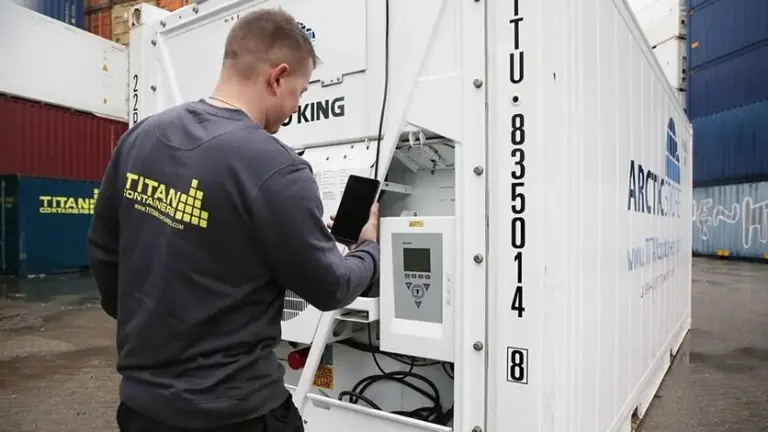
Stopping an excursion is all about staying ahead of the game. Here’s how smart businesses prepare for it:
Look for where things usually go wrong – like power cuts, badly organised loading docks, or goods sitting out too long during a vehicle changeover.
Don’t just hope for the best. You need backup generators and redundant systems ready to kick in the second the power dips.
Under GDP, you need a clear, written plan for emergencies. If the fridge dies at 3am, everyone should know exactly what to do.
Everyone on the floor needs to know the handling rules and, more importantly, who to call the second a temperature alarm goes off.
Don’t let the meds sit on a hot pavement. Coordinate your pickups and drop-offs so the product moves from one controlled zone to the next without a gap.
CTA Further reading: How cold chain best practice drives better business.
All the high-tech storage in the world doesn’t matter if teams lose focus during the handoff. Here’s how to bridge the gap between storage and the final destination.
This is often the most stressful part of the journey. Use short delivery windows and tested transport methods to make sure that the final leg of the trip is as safe as the first.
Just like your fridge at home, the more you leave the door open, the harder it has to work. Best practice is to pre-cool containers before products arrive and keep loading times tight to prevent temperature fluctuations.
If you’re doing site work or suddenly find yourself out of space, you don’t have to compromise on safety. Modular refrigerated containers provide validated temporary pharma cold storage.
Many large organisations invest in purpose-built cold rooms, though temporary and compliant containerised cold storage solutions are increasingly popular.
These deliver high levels of flexibility – both in terms of rental contract duration and capacity. Popular globally are 20ft reefer cold storage containers, suitable for up to 10 Euro Pallets/8 US pallets. 40ft chillers and 10ft units are also widely available.
Another option for smaller pharmaceutical businesses is an
Other portable solutions include:
Explore our range of refrigerated containers designed to support compliant pharmaceutical storage and flexible cold chain operations.
Reliability isn’t an accident; it’s the result of a rigorous, repeatable process. Use this checklist to ensure your facility meets global GDP standards and protects product integrity.
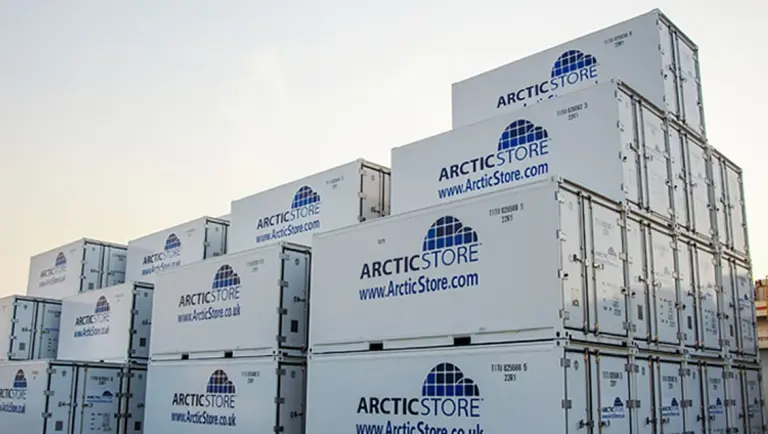
TITAN Containers provides scalable refrigerated containers suitable for pharmaceutical cold chain environments. With more than 100 depots worldwide, we serve pharma clients across the USA, Europe, Asia, and Oceania.
Whether you require temporary expansion capacity, on-site storage during refurbishment, or flexible, on-demand space for everyday production, TITAN has the experience and inventory to help.
Our solutions support temperature-controlled pharmaceutical storage from -75°C to +85°C and comply with all relevant regulations.
Contact TITAN today to find out more about our tailored refrigerated container solutions for pharmaceutical cold storage.
Most temperature-sensitive medicines are stored at 2-8°C, while others require controlled room temperature (15-25°C), frozen (-20°C), or ultra-low storage depending on manufacturer specifications.
Good Distribution Practice (GDP) sets standards to ensure medicines are stored, transported and handled in a way that preserves quality and integrity.
Temperature mapping should be performed during initial validation and repeated periodically, particularly after structural changes, equipment replacement or significant operational changes. Frequency is typically risk-based and defined in quality systems.
Stock is quarantined, stability data is assessed, the deviation is documented, and corrective actions are implemented in line with GDP procedures.

Rasmus Nørgaard is Group CMO at TITAN Containers, bringing over 15 years of experience in marketing leadership, strategy, and international growth within the container and self-storage industry. With a strong focus on digital marketing and commercial performance, he plays a key role in shaping TITAN’s global positioning and go-to-market approach.